


Hepatitis A is a serious liver disease caused by a virus. Some people with hepatitis A don’t have any symptoms, but others may have fever, tiredness, an upset stomach, vomiting, and more that can last for months. Kids under age 6 usually don’t have symptoms, so they often spread hepatitis A to others without anyone knowing they were infected. Hepatitis A is spread by coming in contact with an infected person’s blood or stool.source: 1 A person can also get hepatitis A by eating contaminated food like fruit, vegetables, or shellfish, or by drinking contaminated water.
Hepatitis A used to be more common in the United States than it is today. In the 1980s, the United States had up to 30,000 cases a year. In the 15 years after the hepatitis A vaccine was introduced, the number of hepatitis A cases in the United States dropped by 95%.source: 2 The hepatitis A vaccine protects infants, kids, adolescents, and adults from hepatitis A.
Why does my child need to be vaccinated against hepatitis A?
Hepatitis A can be a dangerous disease because it can cause serious liver problems or even death. It is no longer common in the United States because of vaccines. Hepatitis A is still common in other countries, so people can get the disease when traveling and bring it back with them.source: 3,source: 4

How safe is the vaccine?
The hepatitis A vaccines are safe even for people with compromised immune systems.source: 4 The first hepatitis A vaccine was licensed in 1995. Since then, millions of people have been vaccinated safely.source: 4
Like any medicine, there’s a very small chance that the hepatitis A vaccine could cause other serious reactions. Generally, if 1 million vaccine doses are given, 1 to 2 people may have a severe allergic reaction.source: 5,source: 6 Getting the hepatitis A vaccine is much safer than getting hepatitis A.

How effective is the vaccine?
The vaccine is around 94%–100% effective at preventing hepatitis A and providing long-lasting protection.source: 2

What are the vaccine’s side effects?
If side effects occur, they are usually mild and go away in a few days. They may include soreness or redness where the vaccine was given, fever, headache, and feeling tired.source: 7
Understanding the Risks
Getting Hepatitis A vs. Getting Vaccinated
Hepatitis A
Vaccine to Prevent Hepatitis A
Common: Mild to Moderate Symptoms or Side Effects
Symptoms can last for several months:
- Jaundice
- Loss of appetite
- Nausea
- Vomiting
- Fever
- Joint and stomach pain
- Fatigue
- Dark pee or clay-colored poop
If side effects occur, they are usually mild and last 1–2 days:
- Soreness or redness where the vaccine was given
- Mild fever
- Headache
- Feeling tired
Rare: More Serious Symptoms, Complications or Side Effects
- Liver failure
- Severe allergic reaction (generally, for every 1 million vaccines administered in the United States, only about 1–2 doses result in a severe allergic reaction)
When does my child need the vaccine?
All kids need to get the hepatitis A vaccine as part of their routine vaccine schedule. The vaccine series consists of two doses, given 6 months apart between 12 and 23 months of age.source: 3,source: 4
All children and adolescents 2–18 years of age who have not previously received the hepatitis A vaccine (known as “catch-up” vaccination) should get the series.source: 4
Kids can get the hepatitis A vaccine at the same time as other vaccines.source: 8
More information
- Learn more about vaccine safety.
- Learn what other vaccines might be given at the same time as the hepatitis A vaccine.
- Hear from health care professionals and parents about why they support vaccines.
You can also visit these sites:
Resources

Facts are better than fiction
Understanding risk
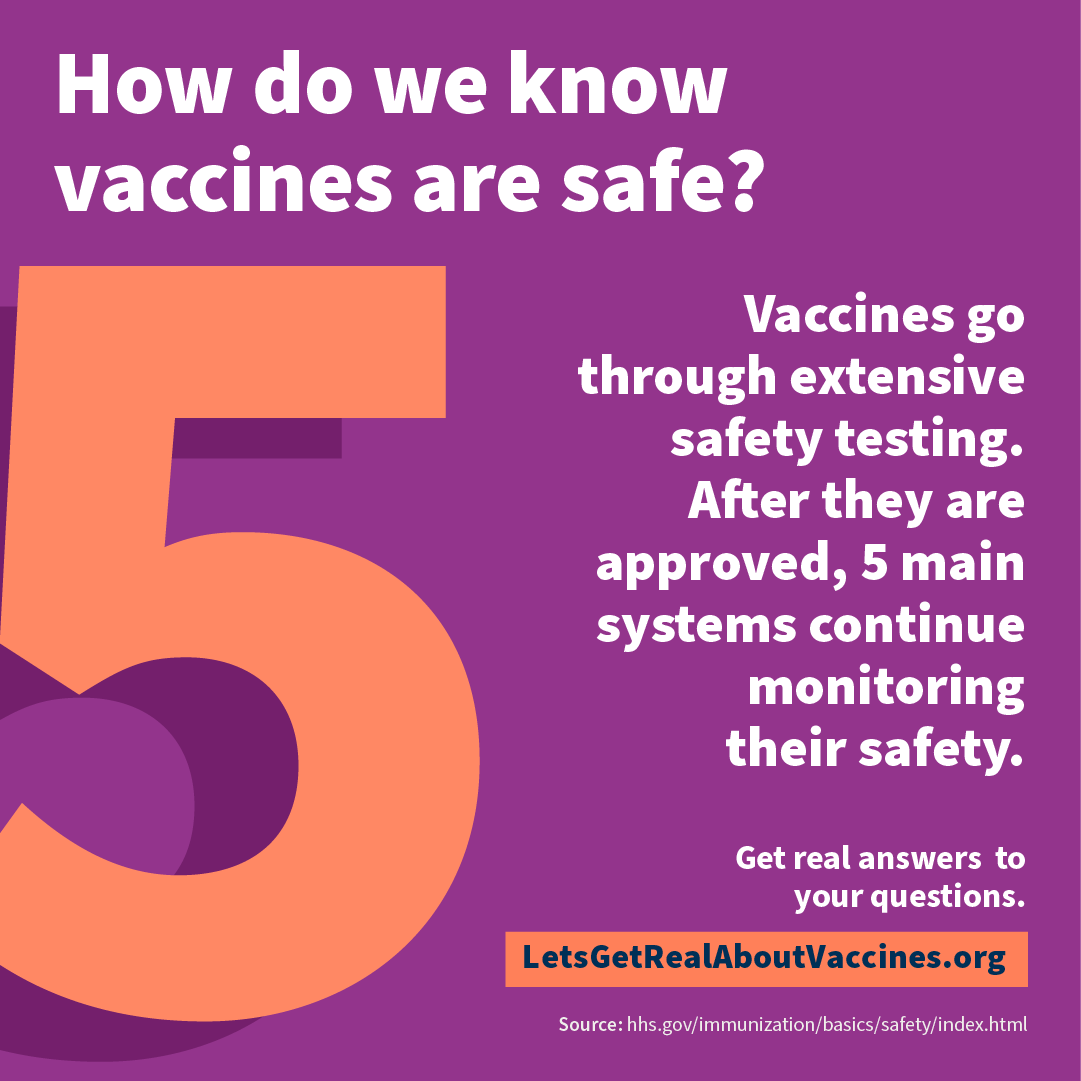
How do we know vaccines are safe?
Sources
- FDA: Vaccines for Children - A Guide for Parents and Caregivers
- CDC Pink Book: Hepatitis A
- CDC: Hepatitis A Basics
- CDC: Hepatitis A Vaccine
- The Journal of Allergy and Clinical Immunology: Risk of anaphylaxis after vaccination in children and adults
- HHS: Vaccine Side Effects
- CDC: Hepatitis A Vaccine Safety
- CDC: Multiple Vaccines at Once